

Components and terminology of connectors:
Housings, Bases, Contacts - Terminals and Pins, Metals for Connectors, Male and Female, Plating, Inspection and Positioning, Circuit Identification and Wire Gauge.
The connector body has the following functions:
1. Support the contact part (pin, lie, etc.), firmly and correctly in place;
2. Dust-proof, anti-fouling and moisture-proof, protect the contact parts and conductors;
3. Insulate circuits from each other
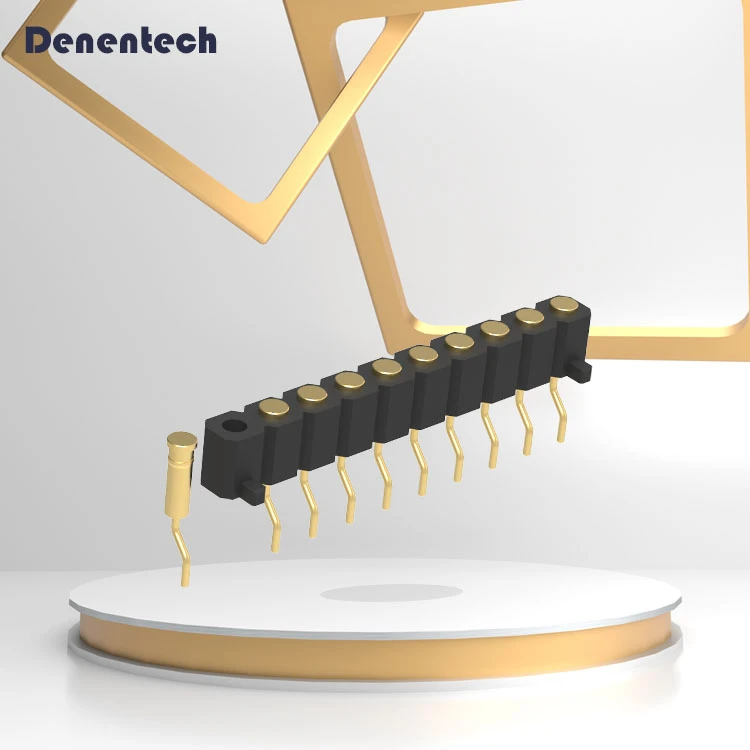
The connector installed on the printed circuit board, the seat used is called the base (header), also known as the base (base) or sheet seat(wafer). The main difference between the base and the base is that the base is always mounted with the circuit pins, while the base is just an empty shell. The base comes in two forms: hooded and hoodless. Shield refers to the pins and sockets of the connector, and a protective cover made of a seat or a skirt around the mating part. The base is also of friction lock style, which is a partially hooded base, but has a locking device that combines the base with the base.
Contacts:
Contacts in a connector hold together the two conductors (or wires) that are to be connected. Once combined, the circuit is closed and current flows through the connector. There are two main types of contacts: terminals and pins. The specific shape of the real object varies widely. A terminal (or pin) has two ends: front and rear. The front end is always the junction end, which intersects with the other terminal to make contact. The rear end is always terminated, or crimped or connected to the wire (conductor).
The metal used in the contact part of the connector
Electroplating the contact part of the connector is to improve electrical conductivity, corrosion resistance and wear resistance, and improve solderability. Metals with good mechanical properties (eg formability, elasticity) often do not have good electrical conductivity, corrosion and wear resistance, and weldability. All or selective electroplating of these metallic materials to improve performance.


